AI voice tools may appear similar, but they begin with different types of input and solve different creative problems. Selecting the correct tool can save processing time and produce a result that is closer to your intention.
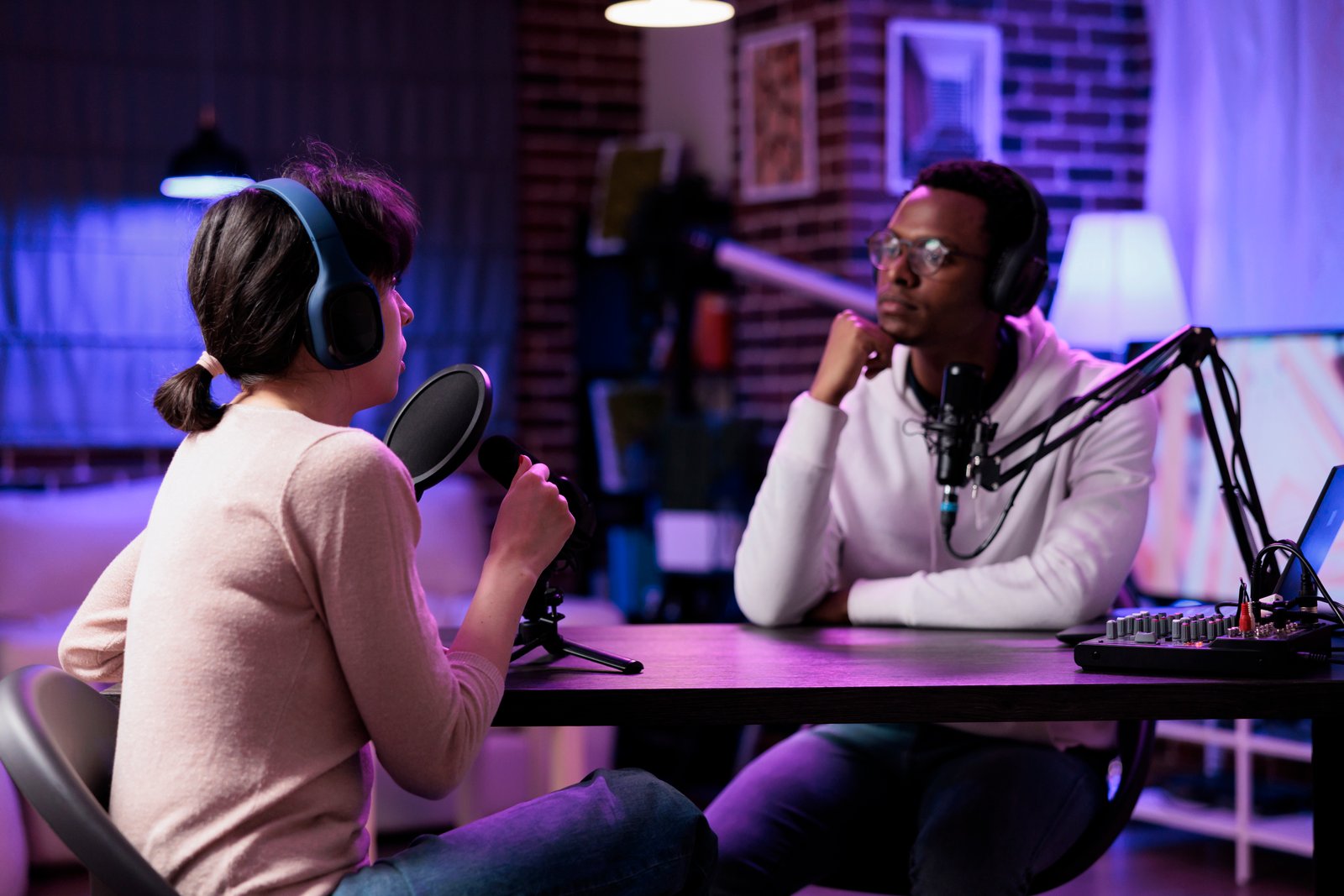
Voice Changer is the appropriate choice when you already have a recorded vocal performance. The tool transforms the vocal identity while retaining important characteristics of the original delivery, such as timing, rhythm, and expression. This is useful for exploring different vocal colours, creating character voices, or changing the performer’s vocal profile without recording the full part again.
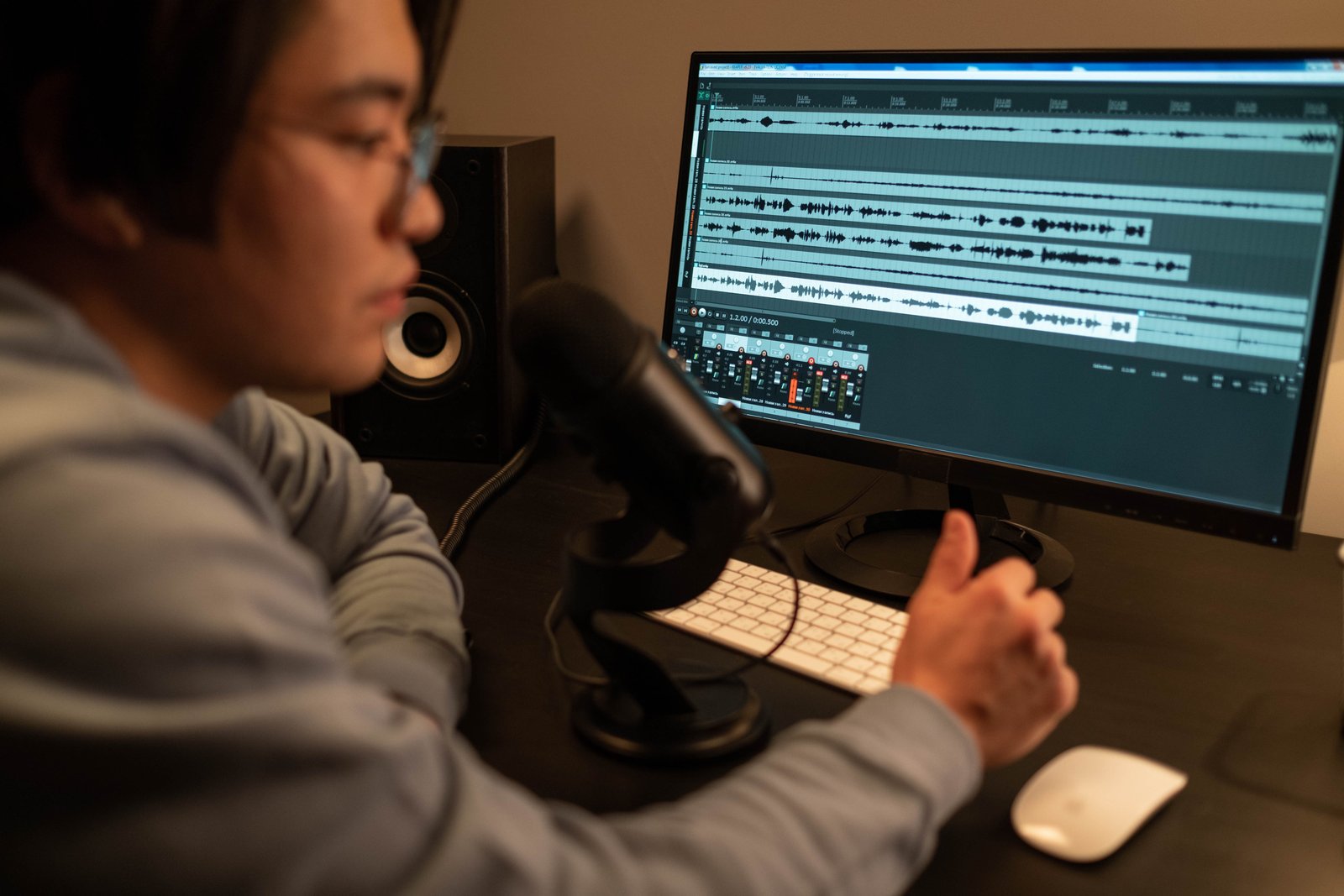
The quality of the input performance still matters. A voice transformation cannot fully correct unclear pronunciation, poor timing, clipping, or strong background noise. Record in a quiet environment, maintain a consistent distance from the microphone, and avoid excessive room echo. If necessary, clean the recording before applying the new voice.
Text to Speech begins with written text rather than recorded audio. It is intended for narration, voiceovers, announcements, educational content, prototypes, and other situations where no original spoken performance exists. Punctuation and sentence structure affect delivery, so scripts should be written for listening rather than silent reading. Shorter sentences and natural paragraph breaks often produce clearer results.
Sing Over Instrumental begins with an instrumental audio file and lyrics. It is designed for users who have a backing track and want to add an AI-generated vocal performance. The lyrics should follow a structure that fits the music, with manageable line lengths and clear divisions between verses, choruses, and other sections.
The simplest way to choose is to examine what you already have. If you have a vocal recording, use Voice Changer. If you have a script, use Text to Speech. If you have an instrumental and lyrics, use Sing Over Instrumental.
Voice technology should be used responsibly. Only transform or imitate voices when you have the necessary permission, and avoid presenting synthetic speech or singing as an authentic recording of a real person without their consent.